E-Z Tires Sales & Service Blog
Semi Truck Tire Blowouts: Frequently Asked Questions
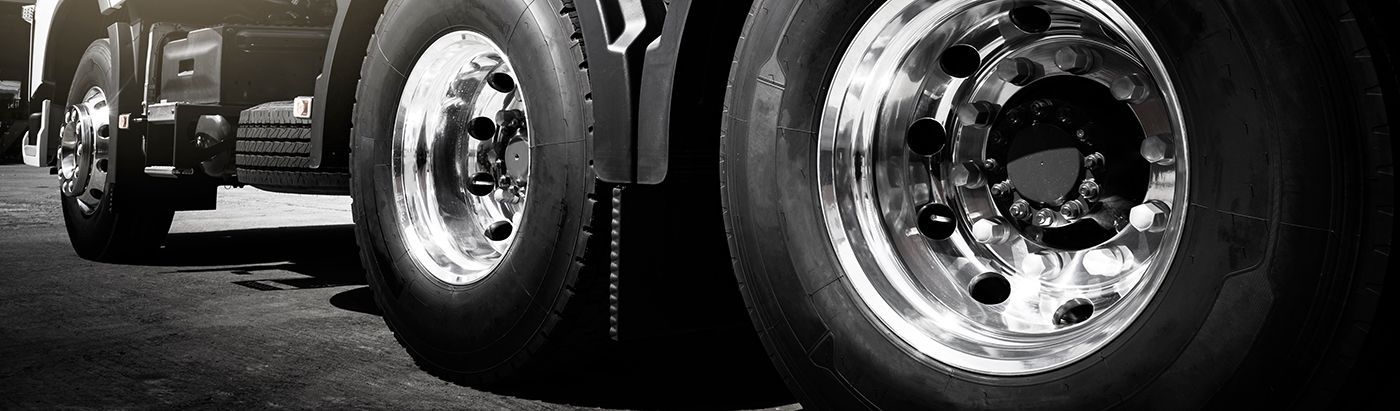
Few situations on the road are as dangerous and stressful as a semi truck tire blowout. When a tire fails at highway speeds, the results can be frightening for both the truck driver and surrounding motorists. Understanding why blowouts happen, how to respond, and how to prevent them can make a major difference in safety and downtime. At E-Z Tires, we provide mobile commercial truck tire services in greater Cypress, CA. Our team can come to the scene when you need assistance with semi truck tire issues. Here’s a look at some of the most common questions about semi truck tire blowouts.
What Causes a Semi Truck Tire to Blow Out?
Tire blowouts commonly result from a combination of heat, pressure, and wear. Underinflated tires are one of the leading causes, as low pressure creates excess heat that weakens the tire structure. Overloaded trailers can also stress tires beyond their limits. Road hazards like debris, potholes, and curbs may cause internal damage that leads to sudden failure later. Worn tread, aging rubber, and improper maintenance further increase the risk of a blowout.
What Should a Driver Do During a Blowout?
When a tire blows, the key is to stay calm and maintain control. Drivers should keep a firm grip on the steering wheel and avoid slamming on the brakes, which can cause the vehicle to jackknife. Gradually easing off the accelerator and allowing the truck to slow down naturally is usually the safest approach. Once speed is reduced, the driver can carefully guide the vehicle to the shoulder or a safe stopping area away from traffic.
How Can Blowouts Be Prevented?
Routine inspections are the best defense against blowouts. Drivers should check tire pressure regularly and ensure it matches manufacturer recommendations. Inspecting tread depth, sidewalls, and valve stems can reveal early signs of trouble. Using tire pressure monitoring systems adds another layer of protection by providing real-time alerts. Proper load balancing and avoiding overloading are also essential to reducing tire stress and preventing failures.
What Happens After a Blowout?
After a blowout, the vehicle should be inspected. Damaged tires should be replaced immediately, and nearby components such as brake lines and mud flaps should be checked for damage from flying debris. Road service may be necessary, especially if the truck cannot be safely driven. Documenting the damage helps with maintenance records and can be important for fleet management purposes.
Where Can I Get Mobile Semi Truck Tire Services in Cypress, CA?
For expert
mobile semi truck tire services in Cypress and the surrounding area, contact
E-Z Tires at
562-232-9423. Our local mobile tire service is available 24/7 to get you back on the road!